Depot Campus: 'A money pit'
The 435 acres near UConn's main campus has proven too costly to develop
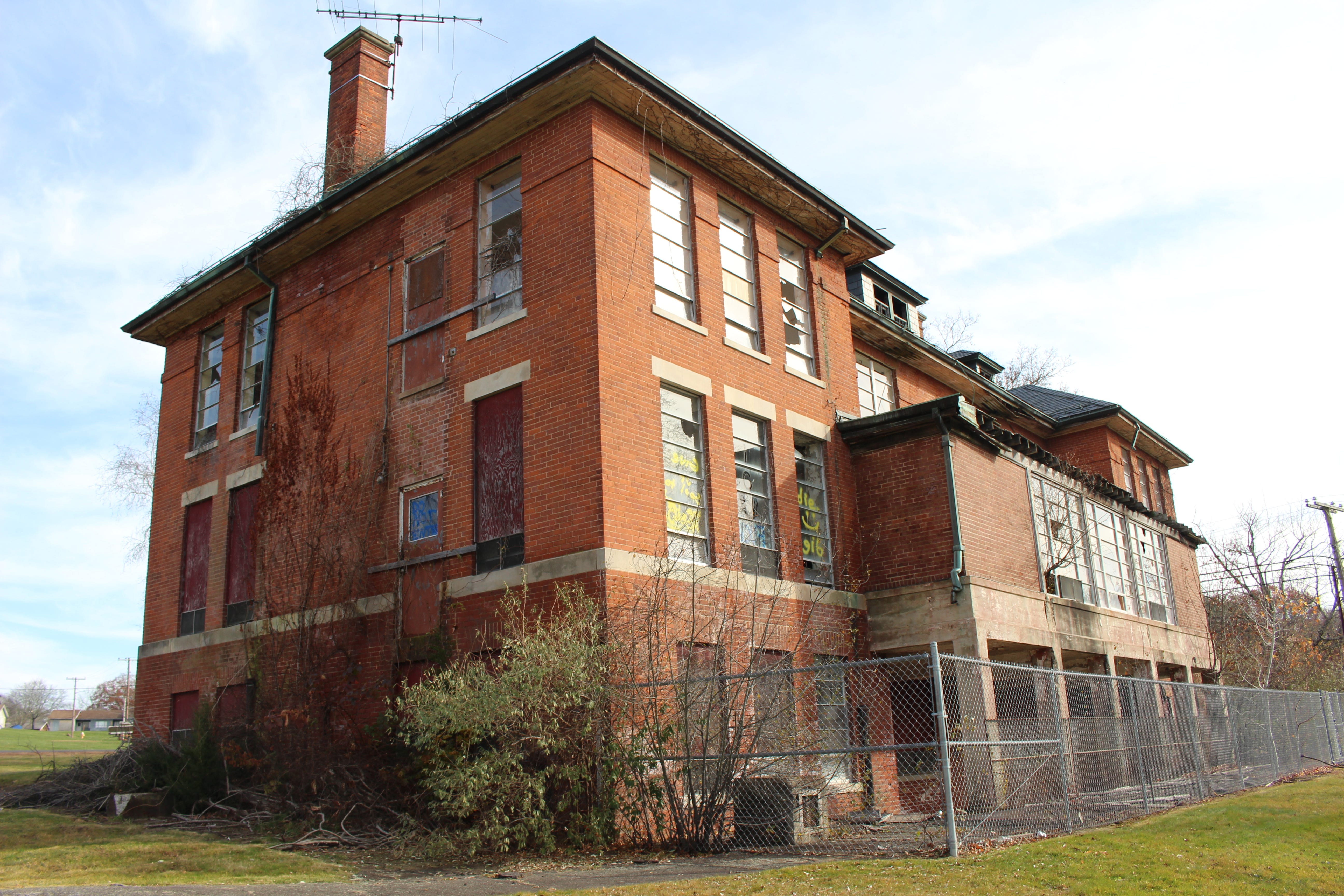
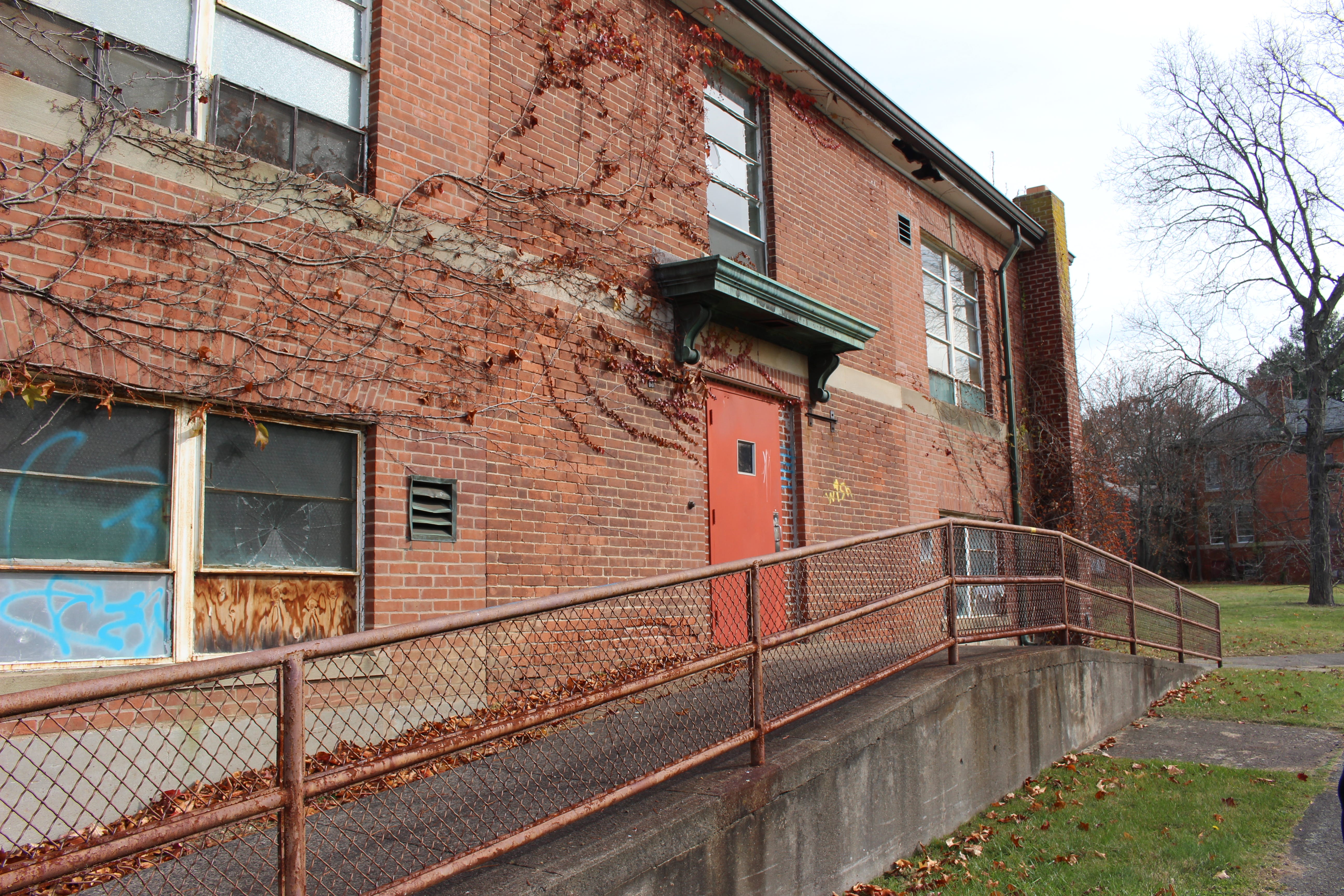
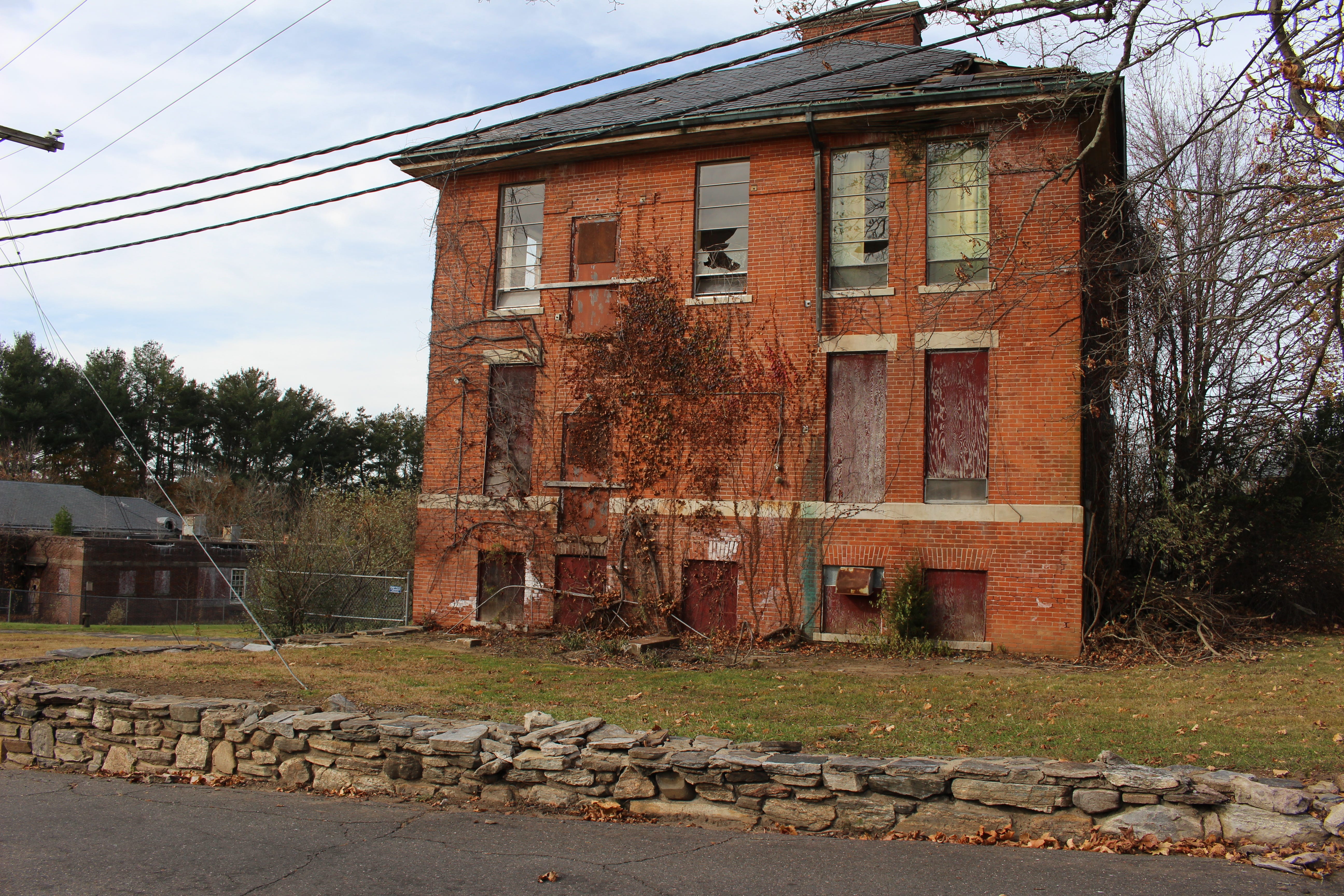
Just two miles from the University of Connecticut’s main campus in Storrs sits a desolate cluster of rundown buildings. UConn’s Depot Campus, which spreads over 435 acres, lacks purpose as much as the university lacks funds to repair it.
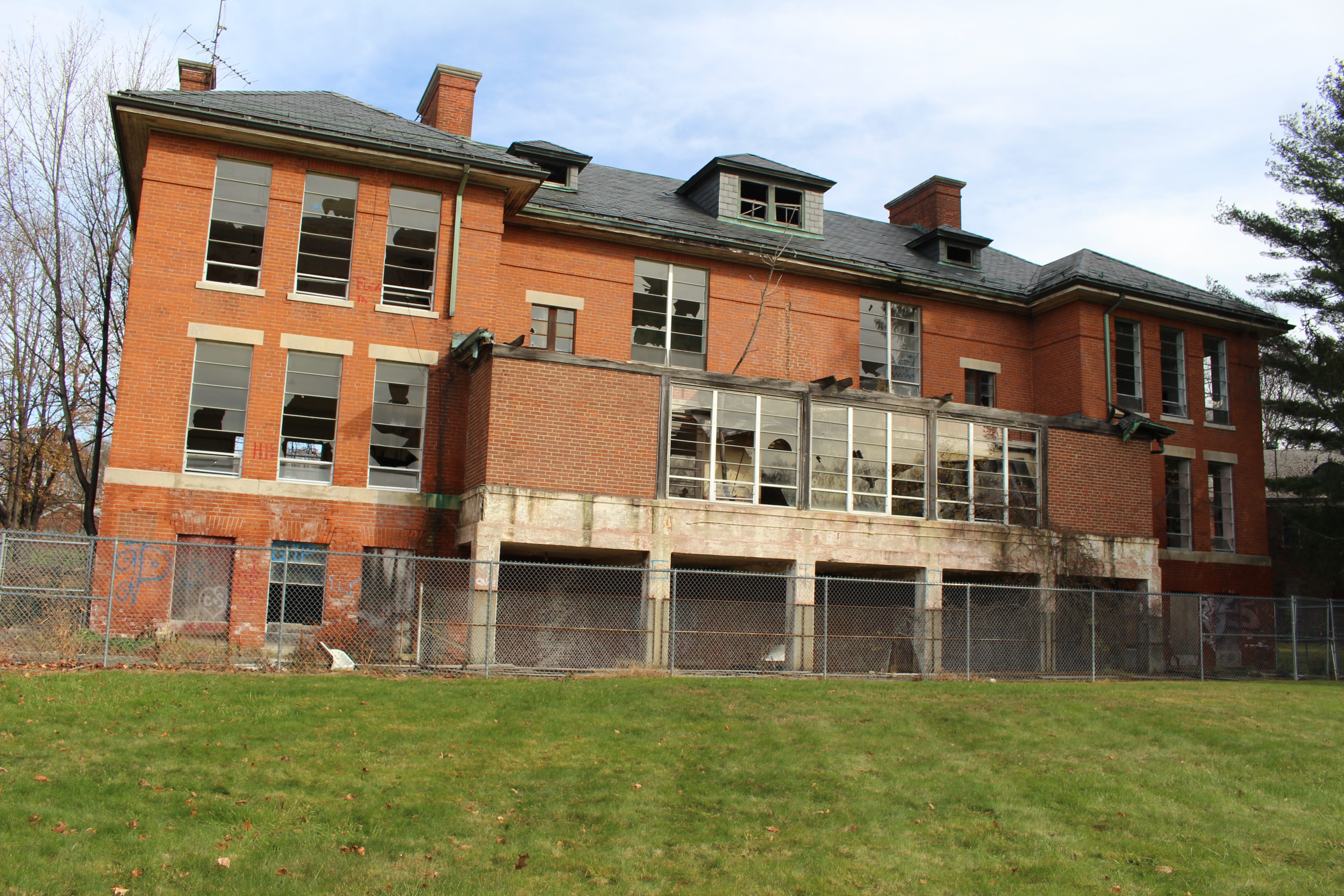
Many of the abandoned buildings on the University of Connecticut’s Depot Campus are fenced off, displaying multiple broken windows and years of graffiti. / Photo by Madeline Papcun
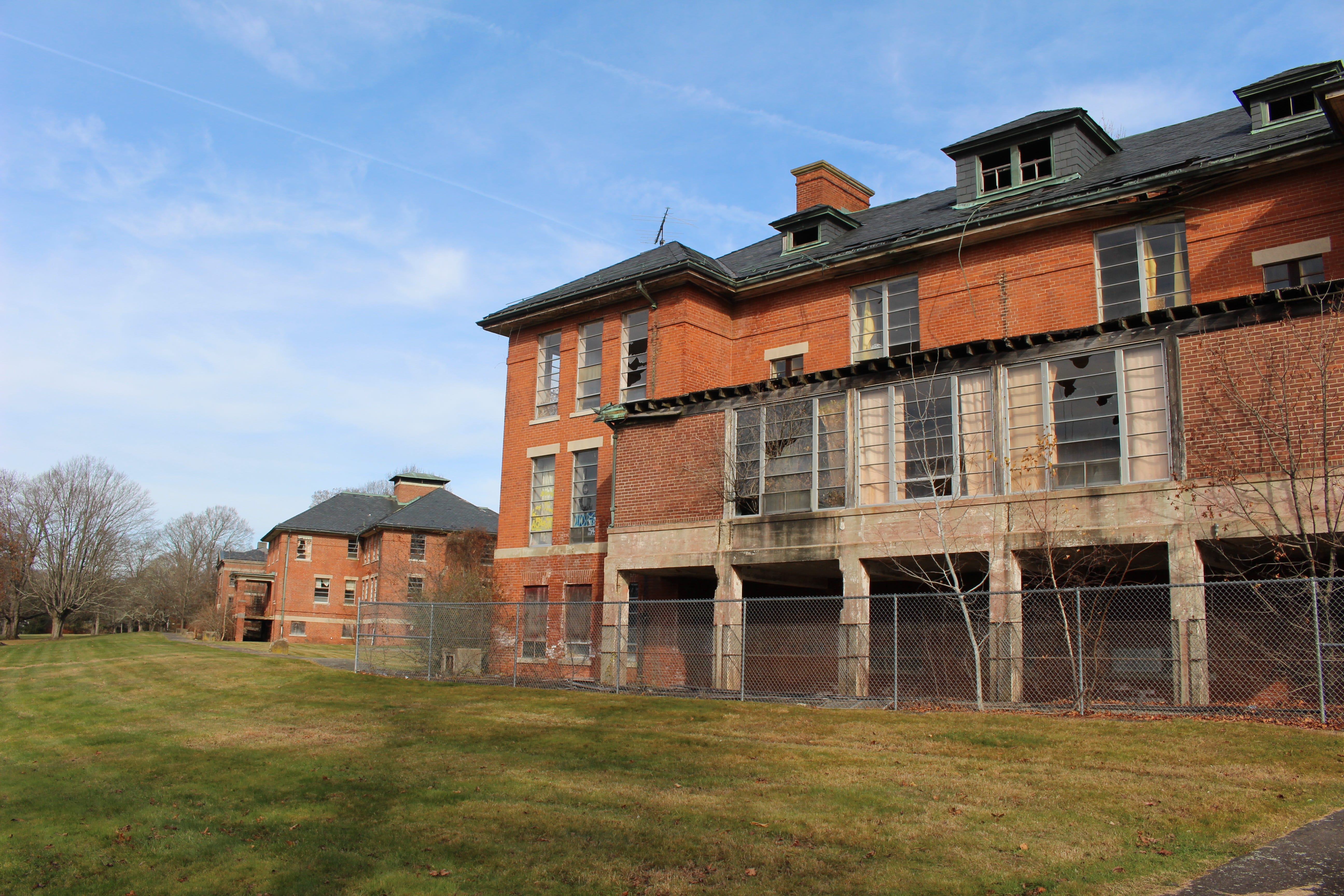
Depot Campus houses both critical and abandoned buildings on 435 acres of land. While most buildings there are run down, the work that UConn can do to the property is minimal.
Laura Cruickshank, UConn’s master planner and chief architect, has been with the university since 2013. She is responsible for the planning, design and construction of capital projects.
Cruickshank said in a recent interview that UConn can’t make many changes to the existing buildings, “but the existing buildings are in such bad shape that it needs a ton of money.”
A “money pit" is how she describes Depot Campus.
Part of the reason UConn can’t just bulldoze the buildings there is that it’s registered as a national historic place. The state Historic Preservation Office has assessed Depot Campus and agreed that the money it would take to restore it is much more than UConn has.
According to UConn spokesperson Stephanie Reitz, the price tag would depend on the work undertaken.
“It would be fair to say it would exceed hundreds of millions of dollars to conduct abatements, repairs, code upgrades and renovations to the buildings,” she said in an email. She noted that renovating and restoring a single building at the UConn Hartford campus cost more than $100 million. With the buildings at Depot in far worse disrepair, “the cost would be extraordinary,” she said.
Many ideas have been suggested for what to do with the land, but Cruickshank said those plan can only be realized if a private developer were to come in with a small fortune.
“If you got a developer to come in there and do restoration and do apartments and maybe that could be something for graduate students,” she said. “Thoughts were, maybe you create a little village.”
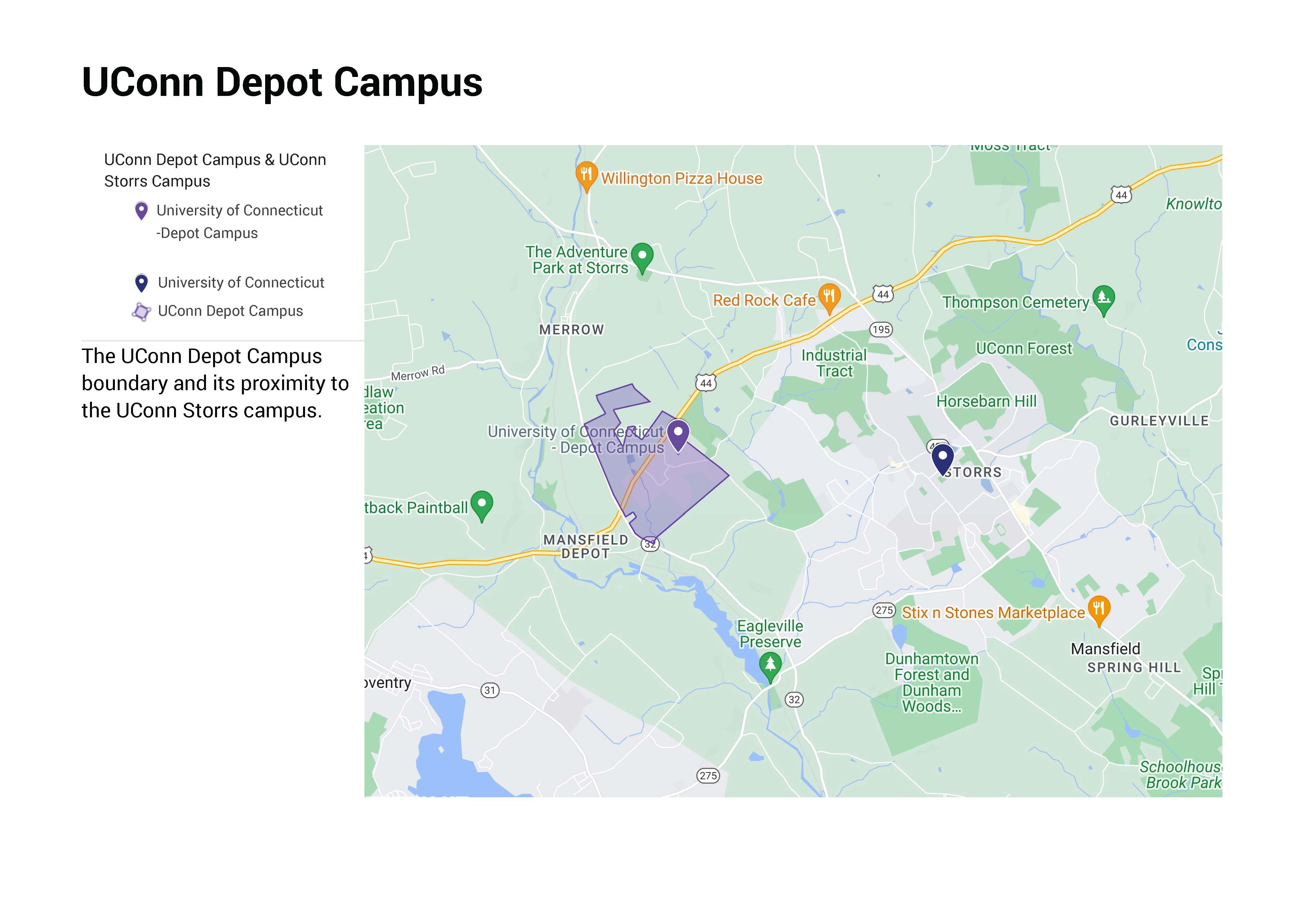
Map of UConn’s main campus and its Depot Campus. / Data visualization by Emma Knuckey
The Center for Clean Energy (C2E2), the Longley building, UConn Human Resources and IT are all housed on Depot Campus. The space also is used for storage, said Cruickshank.
“We actually have some fairly critical functions that are happening there, and the goal is to keep moving them off the Depot Campus and to the Storrs campus,” said Cruickshank. “We would like to be able to centralize everything on Storrs, except for storage.”
She said the Storrs campus is undergoing renovations to host C2E2, while an autonomous vehicle track might be installed at Depot Campus.
The Connected and Autonomous Vehicle test track would also include a research facility. It would support undergraduates, graduates and faculty in research where they can also test self-driving vehicles on the track.
The developer for this track is in contact with Cruickshank and her office to ensure the plans don’t affect existing UConn infrastructure. She said details are not set, but UConn is doing whatever it can to support the developer and the College of Engineering, which is interested in making this track a reality.

Laura Cruickshank, UConn’s master planner and chief architect. / Courtesy of Laura Cruickshank
“That is still a happening thing,” said Cruickshank. “... It just takes a long time to get all the approvals.”
What was Depot Campus before UConn?
When passing the Depot Campus on Route 44, the neglected buildings fuel urban legends of an abandoned mental hospital. The campus lore is accurate: The Depot Campus was home to the Mansfield Training School and Hospital.
The opening in 1919 joined the Connecticut Colony for Epileptics and the Connecticut Training School for the Feeble Minded, according to the Connecticut State Library archives. Following the Great Depression, the hospital faced budget cuts, leading to a lack of adequate staff and equipment for patients.
In the late 1960s, the institution housed 1,609 residents and 875 staff members. The campus continued to expand to 85 buildings on 1,000 acres, including the construction of The Longley School, which taught residents woodworking and printmaking, according to the archives. On-campus cottages for residents no longer stand.
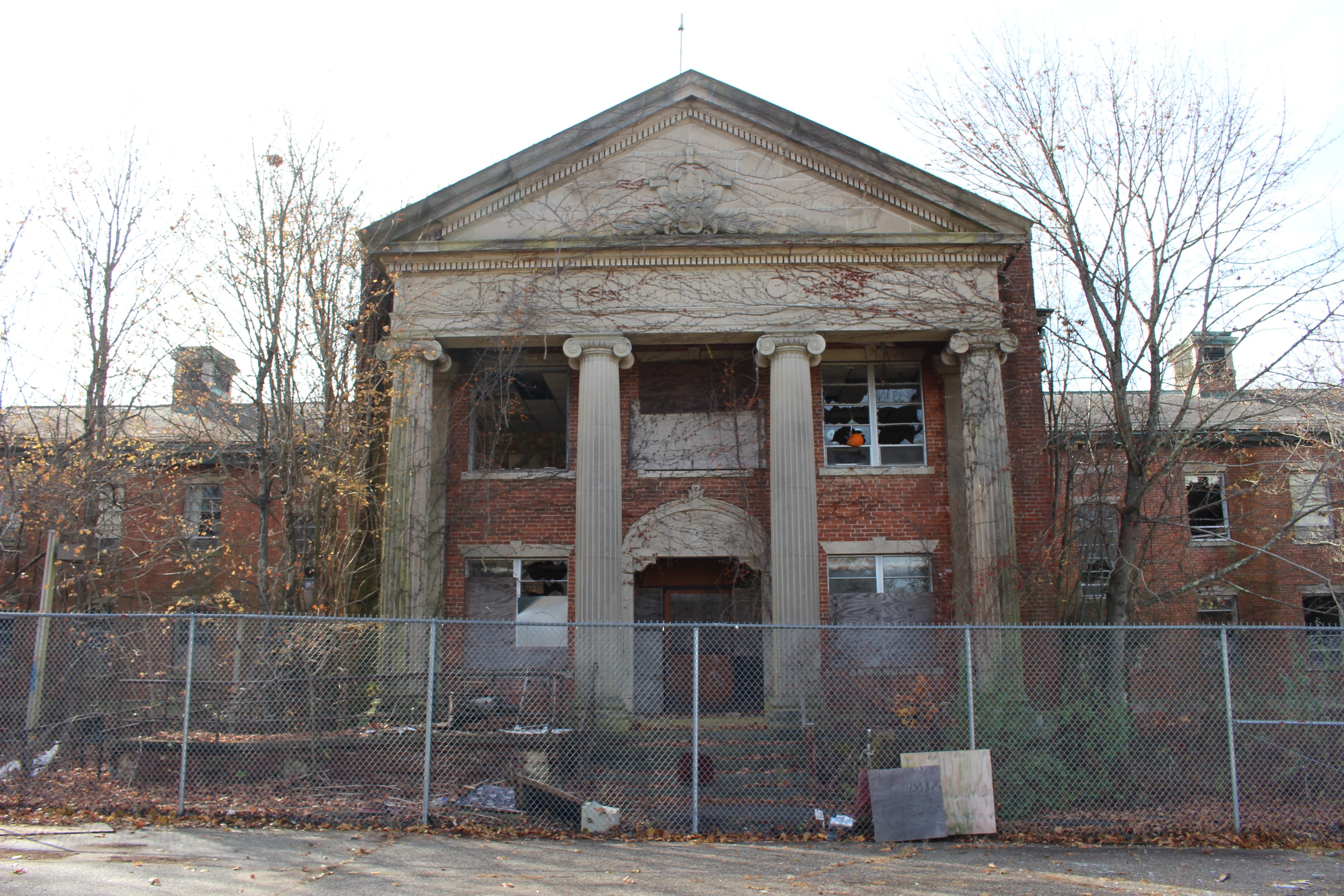
Prior to its acquisition by the University of Connecticut, the university’s Depot Campus was part of the Mansfield Training School and Hospital before it closed in 1993. When the university received the land, the buildings were too costly to repair. / Photo by Madeline Papcun
By the 1970s, residents’ family members alleged staff members were mistreating residents. The 1978 lawsuit between Connecticut Association of Retarded Citizens v. Throne found the Mansfield Training School’s treatment of the disabled patients unconstitutional, according to the Connecticut General Assembly’s Office of Legislative Research. A consent decree, or a court-ordered settlement, applied to 1,300 residents, eventually leading to the school’s closure in 1993. Those buildings were turned over to UConn the same year.
Before the Mansfield Training School closed, the Northeast Correctional Institution opened in 1989. The level-two minimum-security prison occupied 11.25 acres of the depot’s more than 450 acres. The prison was renamed Donald T. Bergin Correctional Institution and had apprenticeship programs with local communities until closing in 2011, according to the state Department of Correction.
The institution’s four buildings were then transferred to UConn, where its ownership lasted six years until the buildings were returned to the state, according to a UConn Today article. The state seems to be preserving the land for potential educational use in the future.
The Depot Campus under UConn
The buildings were too costly to repair when the university received the land, according to information provided by Reitz, the UConn spokesperson. By 2009, the Master Plan comprised 57 buildings that were either used for storage or administration offices that were empty.
The decade-old buildings have been added to the National Register of Historic Places, according to the Town of Mansfield website.
Due to the buildings’ age, many have safety concerns, which is why the university has strict no-trespassing policies. However, UConn would need permission from the state to alter the buildings since they are on a historic site, according to Reitz.
As for the buildings in use, the Depot Campus is home to UConn’s Human Resources office, other administrative buildings and the Center for Clean Energy Engineering, which receives heat and electricity from the main campus.
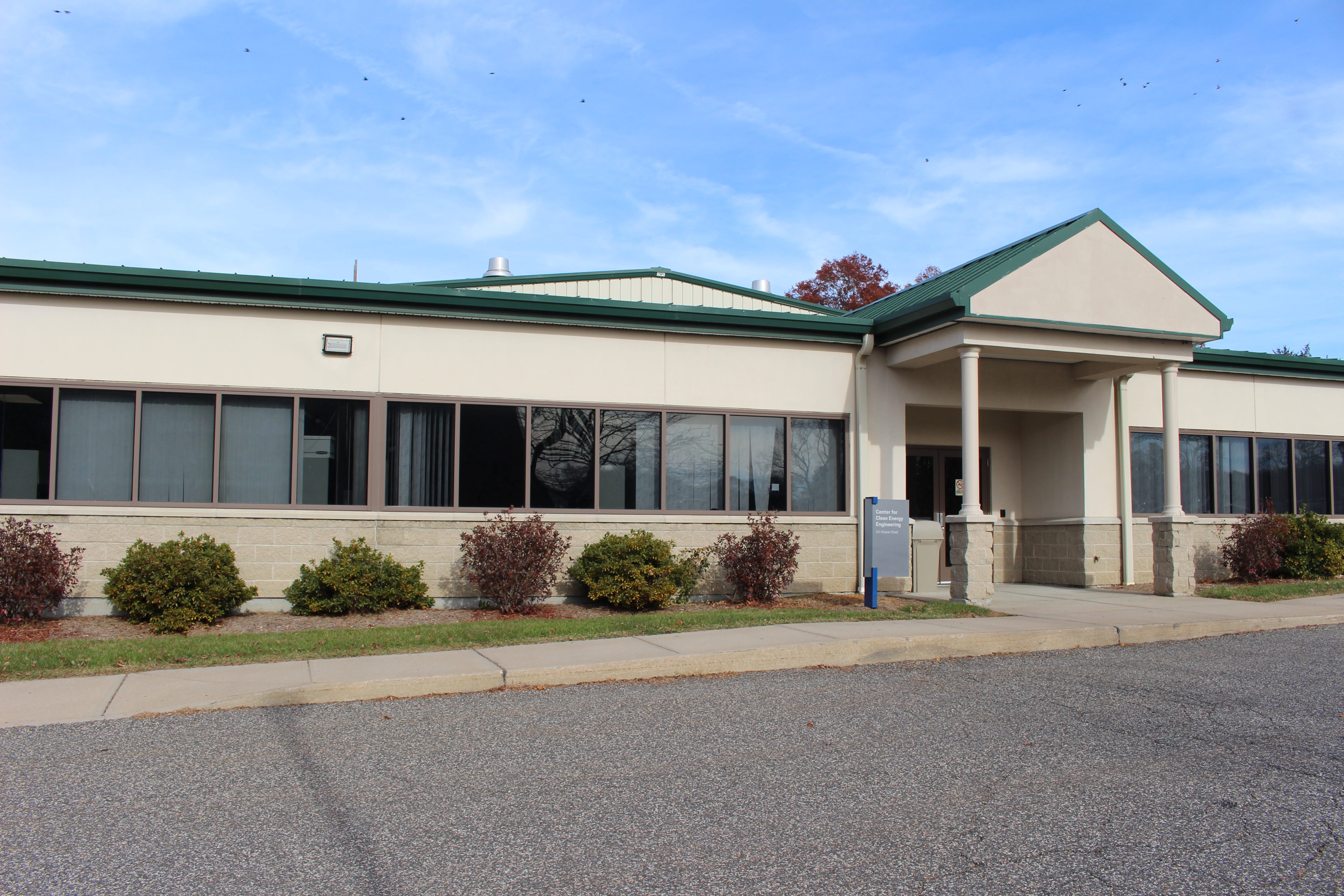
The University of Connecticut’s Center for Clean Energy Engineering is one of the buildings still in use on UConn’s Depot Campus. The university’s Storrs campus is under renovations to move the center there from the Depot Campus. / Photo by Madeline Papcun
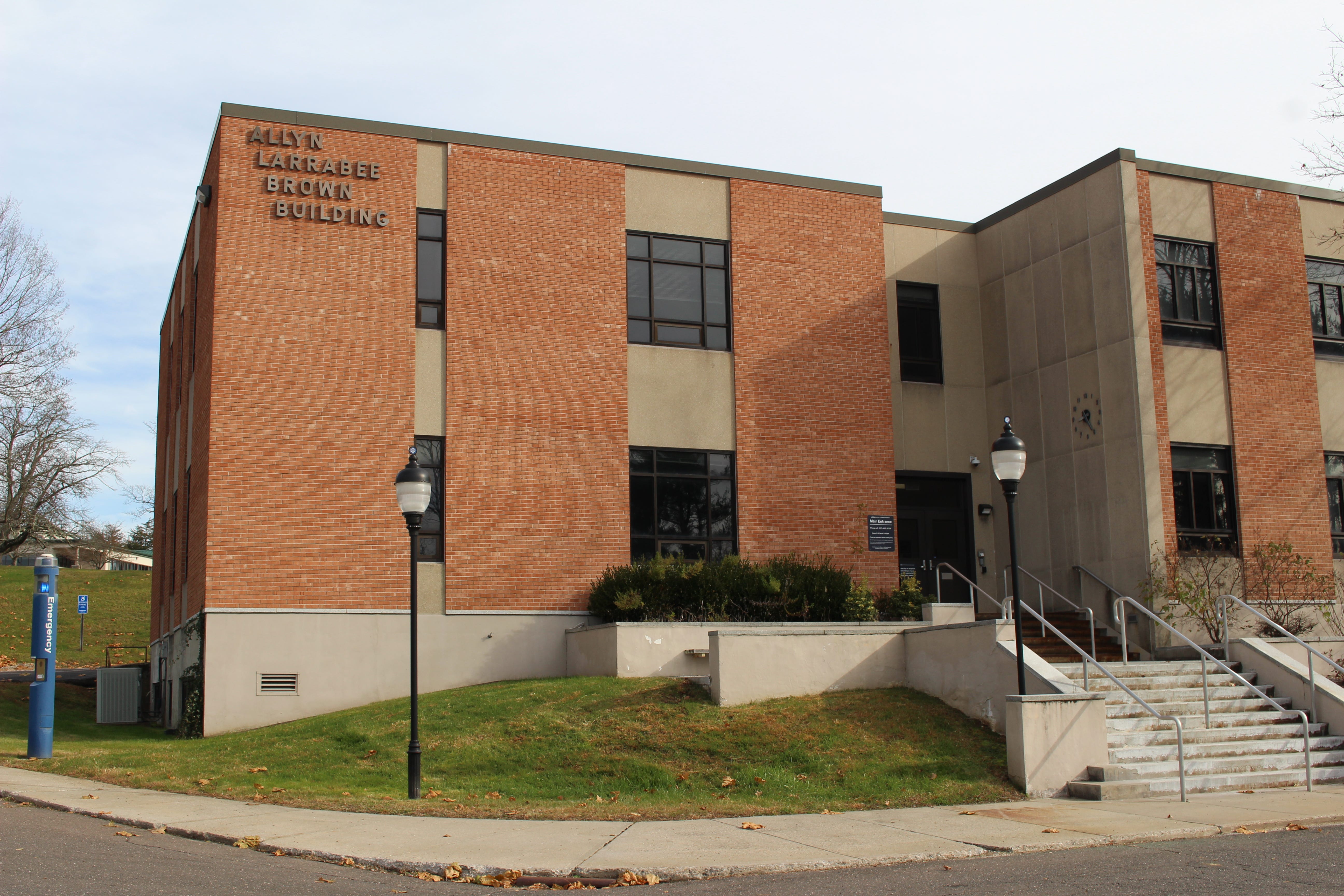
The University of Connecticut’s Department of Human Resources is located in the Allyn Larrabee Brown Building on the university’s Depot Campus. / Photo by Madeline Papcun
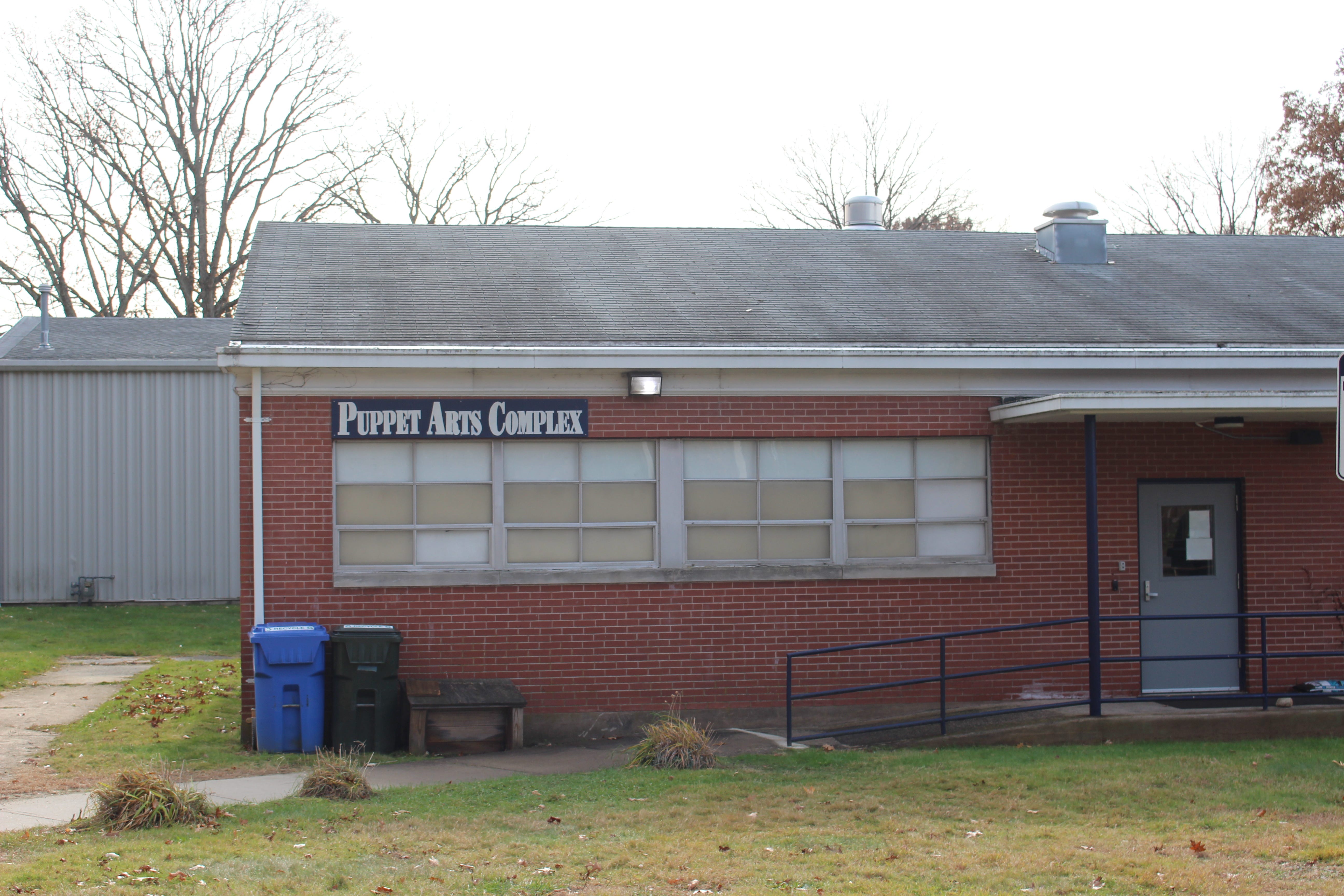
The University of Connecticut’s Puppet Arts Complex is located in Thompson Hall on the university’s Depot Campus. The space includes a classroom, puppet arts library, large rehearsal room and workshops. / Photo by Madeline Papcun
The university’s 2014 Master Plan included a vision of potential uses for the campus, including housing for faculty, staff and graduate students.
Another suggestion was to make the Depot Campus a new home to some of the university’s sustainability efforts. The campus is near the Spring Valley Organic Farm, a project in which students grow organic products for Whitney Dining Hall in Storrs. The campus could be a place for the student farmers to live and work.
Other options were public-private partnerships, climate-controlled library archives, parking and fields for recreational or club use.
One discussion in 2016 involved moving E.O. Smith High School in Mansfield to the Depot Campus. UConn considered buying neighboring E.O. Smith, which sits on 23 acres, to extend the south part of campus. Mansfield officials raised concerns of the cost of a new high school, estimated at $120 million. The plan died.
Today, the Depot Campus does not remain on the university’s top priority list due to the cost and the historic-property rules.